
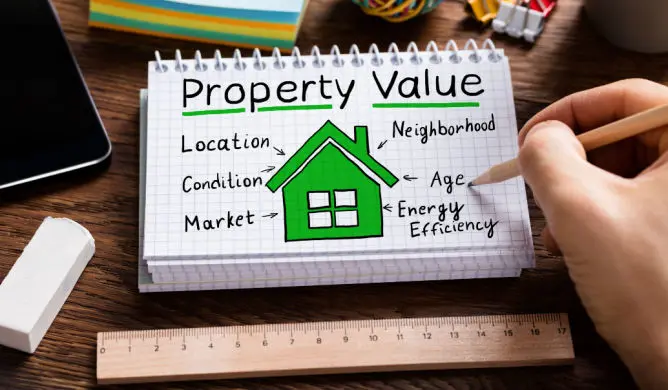

Understanding what drives the value of a house is essential for both sellers and buyers. For homeowners preparing to list their property, knowing how to maximise appeal directly affects profitability. For buyers, recognising what determines worth helps avoid overpaying. In the French context, maison valeur refers to the concept of “house value,” the precise price that reflects a property’s condition, location, and market demand. If you are looking to determine your maison valeur, it is important to look beyond surface impressions and dive into the factors that shape a property’s true market standing.
Location, the Foundation of Value
Among all elements that define house value, location consistently ranks as the most influential. Buyers are not simply purchasing walls and roofs, they are buying into a community and lifestyle. Key aspects of location include:
-
Neighbourhood reputation: Areas known for safety, cleanliness, and strong community ties hold value over time.
-
School districts: Properties near high-ranking schools are especially attractive to families, often commanding a premium.
-
Accessibility: Close proximity to public transportation, highways, and airports adds convenience.
-
Amenities: Shops, restaurants, gyms, hospitals, and cultural venues nearby significantly increase desirability.
-
Future development: Planned infrastructure, new business districts, or parks can increase value, while industrial projects may reduce it.
Even the most luxurious home can struggle to achieve high value if the location is poor.
Size, Layout, and Functional Space
Square footage plays a central role, but it is not just about numbers. How space is designed and used often matters more than total area. Buyers focus on:
-
Number of bedrooms and bathrooms: Families prioritise multiple bedrooms and at least two bathrooms.
-
Open-plan layouts: Modern buyers prefer fluid spaces that allow for socialising and flexibility.
-
Storage availability: Closets, attics, and basements add functional value.
-
Flow of rooms: Practical designs that make sense in daily life rank higher than awkward layouts.
A house with smartly used space often achieves better offers than larger but poorly designed properties.
Condition and Age of the House
The overall condition and age of a house significantly affect its value. Buyers are willing to pay more for properties that feel move-in ready. Important considerations include:
-
Structural integrity: A sound foundation and roof prevent costly repairs for new owners.
-
Recent renovations: Upgraded kitchens, modern bathrooms, and refreshed interiors immediately add perceived worth.
-
Maintenance history: Houses with regular upkeep reflect reliability.
-
Energy performance: Homes with efficient heating, insulation, and modern windows are increasingly attractive.
-
Wear and tear: Visible issues such as cracks, dampness, or outdated electrical systems quickly reduce appeal.
A newer or recently renovated house usually commands a higher value, but even older homes can compete if well maintained.
Interior and Exterior Aesthetics
Aesthetic appeal influences buyer psychology. People form impressions within seconds, and a visually attractive house makes a strong impact. Elements to consider include:
-
Curb appeal: A well-kept garden, fresh paint, and a welcoming entrance create positive first impressions.
-
Interior décor: Neutral, clean designs appeal to the broadest buyer pool.
-
Lighting: Bright, naturally lit interiors are consistently valued higher.
-
Outdoor spaces: Balconies, patios, and gardens extend living areas and enhance lifestyle.
Buyers may not consciously calculate value based on aesthetics, but it directly shapes their willingness to pay.
The Importance of Energy Efficiency
With rising energy costs, efficiency has become a priority. Buyers see value in homes that promise lower bills and sustainable living. Features that boost house value include:
-
Double-glazed windows and insulated walls.
-
Efficient heating and cooling systems.
-
Renewable energy sources such as solar panels.
-
Smart thermostats and energy monitoring.
-
Certifications proving compliance with green standards.
Energy-efficient houses not only sell faster but also appeal to environmentally aware buyers.
External Market Conditions
House value is not determined by property features alone. The external market environment plays a crucial role. These factors include:
-
Supply and demand: A seller’s market pushes values upward, while a buyer’s market applies downward pressure.
-
Interest rates: Lower borrowing costs enable buyers to spend more, raising home prices.
-
Economic health: Employment levels and household incomes influence purchasing power.
-
Seasonality: Spring and early summer usually bring higher demand.
-
Regional trends: Shifts in population, such as urban growth, can raise value significantly.
Homeowners should always consider these macroeconomic influences when evaluating their property.
Improvements That Can Raise Value
Sellers often wonder which upgrades are worth the investment. Not all improvements provide a strong return, but several consistently add value:
-
Renovating the kitchen with modern appliances and finishes.
-
Updating bathrooms with walk-in showers, new tiles, or double sinks.
-
Installing hardwood or quality laminate flooring.
-
Creating functional outdoor living spaces.
-
Adding smart technology for security and convenience.
-
Enhancing curb appeal with landscaping and fresh paint.
These changes attract more buyers and can justify higher asking prices.
Documentation and Transparency
Trust is a hidden but powerful driver of value. Buyers are more confident in making offers when sellers provide clear documentation, such as:
-
Renovation records and warranties.
-
Property tax history.
-
Energy performance certificates.
-
Compliance certificates for extensions or remodels.
-
Clear ownership and title deeds.
The more transparent the seller, the smoother the negotiation process, which indirectly raises the property’s perceived worth.
The Role of Buyer Perception
Ultimately, value is not only a mathematical equation but also a matter of perception. A well-presented house marketed effectively creates an impression of exclusivity and desirability. This perception, combined with the tangible features of the property, influences the offers buyers are willing to make. Small changes such as staging, lighting, and presentation can create a disproportionate impact on buyer decisions.
Timing the Market for Maximum Value
Sellers looking to achieve the highest possible price should consider timing. Listing during peak demand seasons, aligning with favourable interest rates, or targeting relocation periods can all increase offers. Market timing does not replace preparation, but when combined, it can make a significant difference.
Comments are closed.