
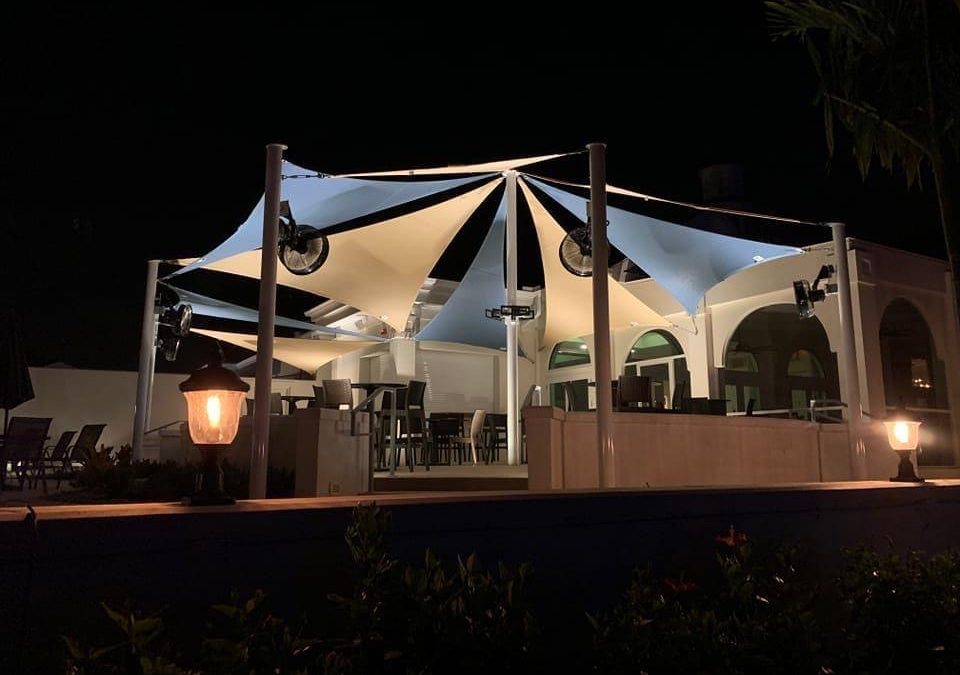

Australian summers push air conditioners hard, and the bills follow close behind. One practical fix sits outside your home: shade. Well-placed outdoor shade blocks direct sun before it heats your walls, windows, and roof. Homeowners looking at shade sails in Sydney often start with comfort, then quickly notice the drop in running costs.
The physics is simple. Sunlight hitting glass and masonry turns into radiant heat inside your rooms. Stop that sun early, and your interior stays cooler without extra effort from your cooling system. This is why shade sails across Sydney suburbs have become a common sight on patios, courtyards, and west-facing windows.
Shade also protects outdoor living areas, decks, and play spaces. Many people install shade sails in Sydney to reclaim their backyard during peak heat, then find their indoor temperatures settle too. Below, you will learn how outdoor shade lowers energy use and how to plan placement and materials for the local climate.
How Outdoor Shade Reduces Indoor Heat
Direct sun on windows is the biggest driver of unwanted indoor heat. West and north-facing glass copes with the harshest afternoon load during summer.
Shading these surfaces before sunlight lands on them stops heat at the source. External shade works far better than internal blinds, because blinds only block light after it has already passed through the glass and entered the room.
A shaded roof, wall, or window keeps surface temperatures lower. That means your air conditioner cycles less often and works less hard to hold a comfortable setting.
Lower Energy Bills Through Less Cooling
Every degree of extra heat forces your cooling system to draw more power. Reduce the incoming heat, and you reduce the workload.
Households that shade key sun-exposed areas often report noticeably lower summer running costs. The savings add up over a long Australian summer, especially in regions with weeks of high temperatures.
Shade also extends the life of your cooling equipment. A unit that runs less frequently faces less wear and needs fewer repairs.
Smart Placement Tips for the Australian Climate
Placement decides how much you save. Focus your shade where the sun causes the most trouble.
- Prioritise west-facing areas. Afternoon sun carries the most heat.
- Shade north-facing windows to reduce midday load in summer.
- Angle structures to block high summer sun while allowing lower winter sun through for natural warmth.
- Leave airflow gaps so hot air escapes rather than pooling underneath.
Plan around the sun’s seasonal path. A structure that shades summer sun but permits winter light gives you comfort all year.
Choosing the Right Shade Materials
Material affects both performance and durability. Australian conditions demand fabrics rated for strong UV exposure.
- UV-block ratings: Choose fabric with a high UV protection percentage.
- Breathable weaves: These let heat escape and resist wind stress.
- Colour choice: Darker fabrics block more UV, while lighter tones reflect more heat.
- Fixings and tension: Strong anchor points handle summer storms and gusts.
Outdoor shade is one of the cheapest ways to cut cooling costs. Start by shading your west and north-facing windows, angle your structures for the seasons, and pick UV-rated materials built for the climate. Get these right, and you will feel cooler indoors while spending less each summer.
Comments are closed.