
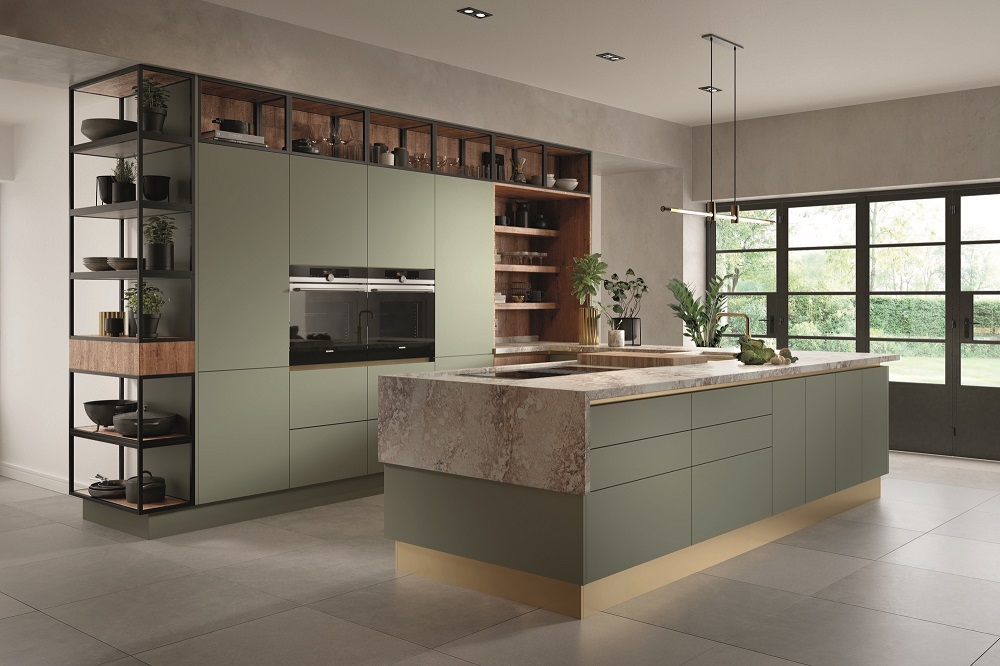

Choosing kitchen cabinets is one of the most important decisions in any kitchen upgrade. Cabinets influence storage efficiency, durability, workflow comfort, and the overall appearance of the space. A thoughtful approach helps avoid unnecessary expenses while ensuring long-term satisfaction. This guide explains how to evaluate cabinet types, materials, layouts, finishes, and practical considerations so you can make a confident choice.
Understand Your Kitchen Needs First
Before selecting cabinet styles or finishes, evaluate how the kitchen is used daily. The right cabinets should support your habits rather than simply match a trend.
Consider the following factors:
- Available kitchen space and layout
- Storage requirements for utensils and appliances
- Cooking frequency and workflow
- Family size and accessibility needs
- Budget range and installation timeline
Planning based on usage ensures cabinets remain practical for years rather than becoming decorative limitations.
Choose the Right Cabinet Type
Kitchen cabinets come in multiple structural categories. Each serves a different purpose in maximizing storage and improving movement efficiency.
Common cabinet types include:
Base cabinets
- Installed at floor level
- Support countertops
- Ideal for heavy cookware storage
- Often include drawers and pull-out trays
Wall cabinets
- Mounted above counters
- Provide easy access to frequently used items
- Help keep countertops uncluttered
Tall cabinets
- Extend from floor to ceiling
- Suitable for pantry storage
- Useful for housing appliances like ovens
Corner cabinets
- Designed for difficult corner spaces
- Often include rotating shelves or pull-out systems
Combining these types strategically improves both storage capacity and workflow.
Select Durable Cabinet Materials
Material quality determines how cabinets perform over time. Choosing wisely helps avoid warping, cracking, or premature wear.
Popular cabinet materials include:
Solid wood
- Strong and long-lasting
- Attractive natural texture
- Suitable for traditional and premium kitchens
Plywood
- Resistant to moisture damage
- Structurally stable
- Ideal for humid environments
Medium-density fiberboard
- Smooth surface for painted finishes
- Budget-friendly alternative to wood
- Less resistant to prolonged moisture exposure
Laminate finishes
- Easy to maintain
- Available in many colors and textures
- Cost-effective for modern kitchens
Always balance durability with budget before making a final decision.
Focus on Storage Functionality
Storage planning determines whether cabinets remain useful over time. Smart internal organization improves accessibility and reduces clutter.
Look for features such as:
- Pull-out baskets
- Adjustable shelving
- Deep drawer organizers
- Vertical tray dividers
- Built-in spice racks
Functional storage solutions reduce wasted space and simplify everyday cooking tasks.
Choose a Layout That Supports Workflow
Cabinet placement should complement the natural movement between cooking zones. Efficient layouts improve comfort and reduce unnecessary steps.
Common kitchen cabinet layouts include:
L-shaped layout
- Suitable for small to medium kitchens
- Creates open working space
- Supports flexible movement
U-shaped layout
- Maximizes storage
- Provides multiple work surfaces
- Ideal for large kitchens
Parallel layout
- Efficient for compact spaces
- Keeps workflow structured
- Provides balanced storage on both sides
Following the work triangle principle improves accessibility between sink, stove, and refrigerator.
Select Finishes That Match Lifestyle Needs
Cabinet finishes affect maintenance effort and visual harmony with the rest of the kitchen.
Consider the following options:
- Matte finishes for subtle appearance and reduced fingerprint visibility
- Gloss finishes for brighter interiors and reflective surfaces
- Textured laminates for scratch resistance
- Natural wood finishes for timeless appeal
Choose finishes that suit both aesthetics and cleaning convenience.
Evaluate Hardware Quality Carefully
Cabinet performance depends heavily on hinges, handles, and drawer channels. Poor hardware reduces cabinet lifespan regardless of material quality.
Look for:
- Soft-close hinges
- Anti-rust fittings
- Smooth drawer sliders
- Strong handle attachments
Reliable hardware improves daily usability and prevents frequent repairs.
Measure Space Accurately Before Installation
Accurate measurement prevents installation errors and wasted investment.
Important measurements include:
- Ceiling height
- Wall length
- Appliance dimensions
- Door clearance space
- Electrical outlet positions
Professional measurement support can help avoid costly adjustments later.
Balance Budget With Long-Term Value
Lower-cost cabinets may seem attractive initially but often require early replacement. Investing in durable materials and reliable fittings provides better long-term value.
Plan spending across:
- Cabinet structure
- Finishes
- Hardware
- Installation charges
- Customization requirements
A balanced budget ensures both quality and affordability.
Coordinate Cabinet Style With Kitchen Design Theme
Cabinet style should complement the overall kitchen atmosphere rather than stand out awkwardly.
Popular cabinet styles include:
- Flat-panel for modern kitchens
- Shaker-style for transitional spaces
- Raised-panel for traditional kitchens
- Glass-front cabinets for display areas
Consistency between cabinet design and interior theme improves visual harmony.
Check Installation Expertise Before Finalizing
Even high-quality cabinets perform poorly when installed incorrectly. Skilled installation ensures durability and alignment accuracy.
Verify:
- Installer experience
- Material handling approach
- Warranty coverage
- Timeline clarity
Professional installation protects your investment.
Frequently Asked Questions
How long do kitchen cabinets usually last
High-quality cabinets typically last between 15 and 25 years depending on material choice, maintenance habits, and environmental conditions.
Are custom cabinets better than modular cabinets
Custom cabinets offer flexible sizing and personalization, while modular cabinets provide faster installation and cost efficiency.
Which cabinet material is best for humid kitchens
Plywood is generally considered more resistant to moisture and performs well in humid conditions.
Should kitchen cabinets reach the ceiling
Ceiling-height cabinets increase storage space and reduce dust accumulation on top surfaces.
What color cabinets make a small kitchen look bigger
Light-colored cabinets such as white, beige, or soft grey create a more open visual effect.
Is glossy cabinet finish difficult to maintain
Glossy finishes require regular wiping but help reflect light and brighten the kitchen interior.
How important is cabinet hardware quality
Hardware quality directly affects cabinet durability, smooth operation, and long-term performance.
Comments are closed.