
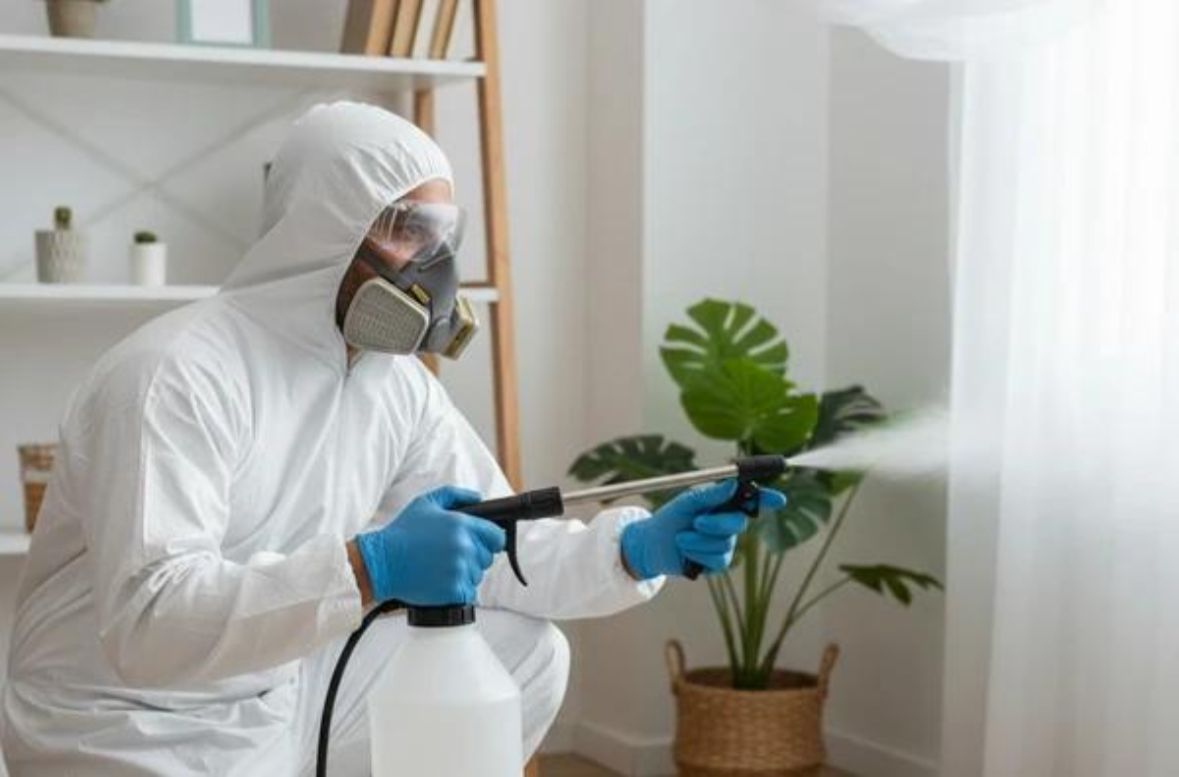

Keeping a home free from pests is not something that happens with a single treatment or occasional cleaning. Long-term pest control is built on consistent daily habits that make the home less attractive to insects and rodents. Small tasks completed every day help prevent larger problems in the future while creating a cleaner, healthier, and more comfortable place to live.
Many pests enter homes because they find the basic things they need to survive. Food, water, warmth, and shelter are available in almost every house if homeowners are not careful. By removing these attractions through regular home care, families can greatly reduce the chances of unwanted pests becoming a problem.
One of the most important daily habits is cleaning the kitchen after every meal. Food crumbs, cooking spills, and leftover scraps can quickly attract insects if they are left overnight. Wiping countertops, washing dishes, and sweeping the floor remove these food sources before pests have an opportunity to find them.
Food storage is equally important. Open packages of cereal, rice, flour, pasta, sugar, and snacks should always be sealed properly. Fresh fruits and vegetables should be checked regularly to make sure they remain fresh and do not begin to spoil. Proper storage keeps food protected while supporting effective pest control.
Water is another essential resource that pests need to survive. Homeowners should pay attention to leaking faucets, dripping pipes, and standing water throughout the home. Even a small leak beneath a sink can create damp conditions that encourage pests to stay indoors. Prompt repairs help keep the home dry and less attractive to unwanted visitors.
Daily habits that strengthen pest control include:
- Clean kitchen surfaces and dining areas after every meal.
- Store food in airtight containers and empty garbage regularly.
- Check for water leaks and wipe away excess moisture.
Keeping clutter under control also plays an important role. Piles of clothing, unused boxes, newspapers, and household items create hidden spaces where pests can live undisturbed. Organizing storage areas and removing unnecessary clutter make cleaning easier while reducing available hiding places.
Vacuuming and dusting should be part of the weekly home care routine. Carpets, rugs, furniture, and corners collect dust, crumbs, and pet hair over time. Regular cleaning removes these materials while making it easier to notice signs of pest activity.
Bathrooms should receive daily attention as well. Wiping sinks, drying shower areas, and ensuring good ventilation reduce moisture levels that many pests prefer. Laundry rooms also benefit from routine cleaning and regular inspection of plumbing connections.
The home’s entry points should not be overlooked. Doors and windows should remain in good condition, with weather stripping and screens repaired whenever necessary. Preventing pests from entering is far easier than removing them after they have settled inside.
Outdoor maintenance is another important part of long-term pest control. Leaves, grass clippings, and yard debris should be removed regularly. Shrubs and tree branches should be trimmed away from the home’s exterior to reduce pathways that pests may use to reach the building.
Garbage management is a simple habit that has a significant impact. Indoor trash should be emptied frequently, and outdoor garbage bins should remain tightly closed. Cleaning garbage containers occasionally helps remove food residue that may attract insects and rodents.
Regular inspections allow homeowners to identify small issues before they become serious. Looking under sinks, behind appliances, inside cabinets, and around storage areas every few weeks helps detect moisture problems, damaged packaging, or early signs of pest activity.
Every member of the household can contribute to maintaining a pest-free home. Cleaning up after meals, storing food correctly, reporting leaks, and keeping personal spaces tidy all support the home’s overall pest control efforts. Consistency is much easier when everyone shares responsibility.
Professional pest control services can also be included as part of long-term home maintenance. Routine inspections by experienced professionals help identify hidden problems and provide additional protection for the property.
In conclusion, effective pest control is the result of consistent daily home care rather than occasional effort. Clean living spaces, proper food storage, moisture control, organized storage, outdoor maintenance, and routine inspections all work together to prevent pest problems before they begin. By following these simple habits every day, homeowners can enjoy a cleaner, healthier, and more comfortable home while protecting it from unwanted pests throughout the year.
Comments are closed.