
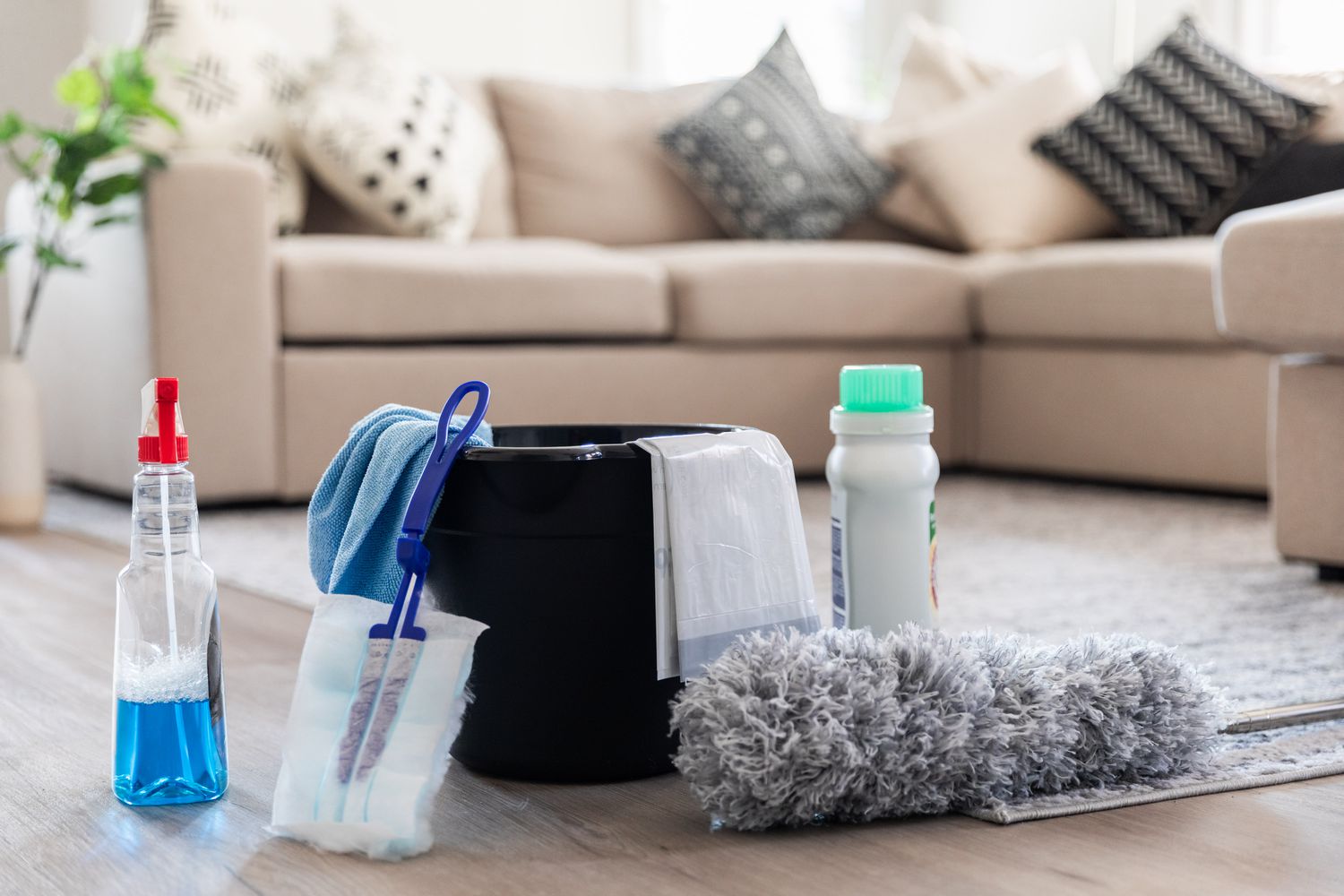

A successful deep clean starts long before the scrub brushes come out. Organizing first allows you to clean more efficiently, avoid distractions, and achieve longer-lasting results. When clutter is removed and systems are in place, deep cleaning becomes faster, easier, and far more satisfying.
This guide walks you through expert-approved organizing strategies to help you prepare your home for a truly effective deep clean.
Why Organizing First Makes Deep Cleaning Easier
Deep cleaning without organizing is like washing dishes in a sink full of leftovers. Pre-organizing helps you:
-
Reach hidden surfaces without obstacles
-
Avoid re-cleaning areas multiple times
-
Reduce mental fatigue and decision overload
-
Create lasting cleanliness, not temporary tidiness
Professional cleaners agree that organization is the foundation of a thorough, stress-free clean.
Start With a Clear Plan
Before touching a single item, define your approach. A plan keeps you focused and prevents burnout.
Set Clear Goals
Ask yourself:
-
Which rooms need the most attention?
-
Are you cleaning for maintenance, guests, or a seasonal reset?
-
How much time can you realistically dedicate each day?
Writing down your goals creates accountability and direction.
Gather Organizing Supplies First
Avoid stopping mid-task by having essentials ready:
-
Storage bins or baskets
-
Trash bags and donation boxes
-
Labels and markers
-
Microfiber cloths for later cleaning
Being prepared keeps momentum high.
Declutter Before You Organize
Decluttering is non-negotiable. Organizing items you no longer need only wastes time.
Use the Three-Pile Method
Sort items into:
-
Keep – items you use or love
-
Donate – usable but unnecessary items
-
Discard – broken, expired, or unusable items
Work quickly and trust your first instinct to avoid overthinking.
Focus on One Area at a Time
Jumping between rooms leads to half-finished work. Stay focused by completing one space fully before moving on.
Organize Room by Room
Each room requires a slightly different strategy. Tailoring your approach improves results.
Kitchen
-
Group items by function, not appearance
-
Remove duplicates and expired food
-
Store daily-use items at eye level
An organized kitchen makes deep cleaning appliances and surfaces far easier.
Bedrooms
-
Clear nightstands and dressers first
-
Rotate seasonal clothing
-
Use drawer dividers to maintain order
This creates calm and makes dusting and vacuuming effortless.
Bathrooms
-
Toss expired products
-
Group toiletries by category
-
Use clear containers for visibility
Less clutter means faster disinfection later.
Living Areas
-
Remove decorative excess temporarily
-
Organize cords, remotes, and media
-
Store items that don’t belong elsewhere
Open surfaces are easier to deep clean thoroughly.
Create Temporary Holding Zones
When deep cleaning, not everything needs a permanent home immediately.
-
Use labeled bins for relocation items
-
Create a short-term “to decide” box
-
Return items only after cleaning is complete
This keeps your workflow uninterrupted.
Label and Contain Strategically
Professional organizers rely on clear systems, not memory.
-
Label shelves, bins, and drawers
-
Use transparent containers when possible
-
Store similar items together
These systems prevent clutter from returning after the deep clean.
Do a Final Pre-Clean Walkthrough
Before deep cleaning begins, walk through your home and check:
-
Are surfaces mostly clear?
-
Are floors accessible?
-
Are cleaning tools easily reachable?
This final review ensures you’re ready for an efficient, top-to-bottom clean.
Common Organizing Mistakes to Avoid
Even well-intentioned efforts can slow you down. Avoid these pitfalls:
-
Organizing without decluttering first
-
Buying storage before knowing what you’re keeping
-
Over-labeling complex systems
-
Trying to do everything in one day
Simple, practical systems always outperform complicated ones.
FAQs
How long should organizing take before a deep clean?
It depends on your home size, but most people benefit from spending 25–40% of their total cleaning time on organizing first.
Should I organize everything before deep cleaning?
Focus on high-impact areas like floors, countertops, and storage zones. Perfection isn’t necessary.
Is it better to organize alone or with help?
Help can speed things up, but solo organizing often leads to better decision-making.
What if I get stuck deciding what to keep?
Use a temporary “maybe” box and revisit it after the deep clean when your space feels clearer.
Can organizing reduce how often I need deep cleaning?
Yes. Organized homes accumulate dirt more slowly and are easier to maintain.
Should I buy storage products before organizing?
No. Always organize first, then purchase only what you truly need.
How do I keep things organized after deep cleaning?
Stick to simple systems, return items daily, and schedule quick weekly resets.
Comments are closed.