
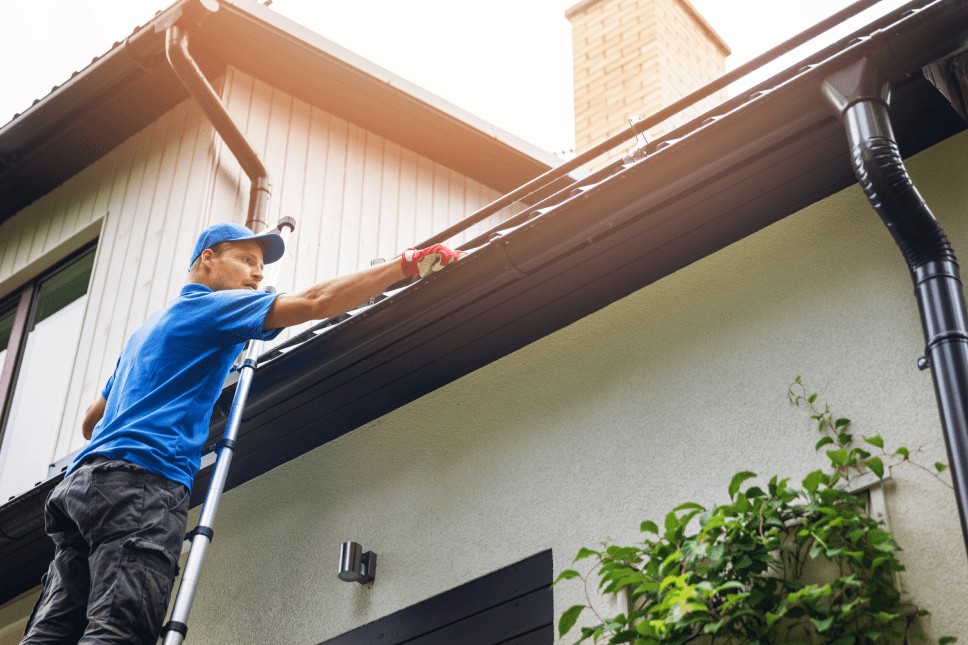

Buying a home is one of the most significant financial decisions most people make. While buyers often focus on interiors, layout, and location, the roof deserves equal attention. A damaged or aging roof can lead to costly repairs, structural problems, and insurance complications.
This practical roof inspection checklist helps you evaluate the condition of a property’s roof before committing to purchase.
Why Roof Inspection Matters Before Buying a Home
The roof protects the entire structure from weather exposure. Even minor defects can escalate into serious problems if ignored. A careful inspection helps buyers:
- Identify hidden repair costs
- Negotiate better purchase terms
- Estimate remaining roof lifespan
- Prevent water damage and mold risks
- Ensure structural safety
Understanding the roof’s condition allows you to make a confident and informed decision.
Check the Overall Age of the Roof
Start by asking the seller or agent about the installation date.
Different roofing materials have different life expectancies:
- Asphalt shingles typically last 15 to 30 years
- Metal roofing may last 40 to 70 years
- Clay tiles often exceed 50 years
- Slate roofing can last more than 100 years
If the roof is near the end of its lifespan, replacement costs should be factored into your purchase budget.
Inspect Shingles or Roofing Material Condition
Look closely at the visible roofing surface. Damaged shingles are early warning signs of deeper issues.
Watch for:
- Curling or buckling edges
- Missing shingles
- Cracked tiles
- Uneven surface patches
- Excessive granule loss
These indicators suggest weather damage or aging materials.
Look for Signs of Water Damage
Water intrusion is one of the most serious roof-related problems.
Check both exterior and interior areas for:
- Ceiling stains
- Mold growth
- Damp attic insulation
- Peeling paint near roof edges
- Musty odors in upper floors
Even small leaks can lead to major structural repairs if left untreated.
Examine Flashing Around Roof Openings
Flashing protects vulnerable joints where water can enter the structure.
Carefully inspect flashing around:
- Chimneys
- Skylights
- Roof valleys
- Plumbing vents
Loose or rusted flashing increases the risk of leaks and hidden moisture damage.
Inspect Gutters and Drainage Systems
A healthy roof depends on proper drainage.
Check whether gutters:
- Are securely attached
- Are free from sagging sections
- Show signs of rust or blockage
- Direct water away from the foundation
Overflowing gutters often signal maintenance neglect or roof slope issues.
Evaluate Roof Structure from the Attic
The attic offers valuable clues about roof condition.
Look for:
- Daylight entering through roof boards
- Damp rafters
- Mold growth
- Uneven decking
- Sagging structural members
These signs suggest long-term water exposure or structural weakness.
Check for Sagging Rooflines
Step back and observe the house from the street.
A straight roofline typically indicates strong structural support. Sagging areas may point to:
- Rotten decking
- Compromised rafters
- Poor previous repairs
- Long-term water damage
Structural repairs can be expensive and should be evaluated carefully before purchase.
Identify Ventilation Quality
Proper ventilation extends roof lifespan and improves indoor comfort.
Check whether the home includes:
- Ridge vents
- Soffit vents
- Gable vents
- Attic airflow pathways
Poor ventilation can cause moisture buildup and premature shingle deterioration.
Review Previous Repairs or Patchwork
Multiple repair patches may signal recurring issues.
Look for:
- Color mismatched shingles
- Uneven layering
- Sealant-heavy areas
- Visible replacement sections
These signs suggest localized repairs that may require future attention.
Assess Moss, Algae, or Debris Growth
Biological growth can trap moisture and weaken roofing materials.
Check for:
- Moss buildup
- Dark algae streaks
- Leaf accumulation
- Tree branch contact with roof surface
Regular cleaning helps prevent long-term damage.
Confirm Warranty and Maintenance Records
Documentation adds confidence to your investment decision.
Ask the seller for:
- Installation invoices
- Warranty coverage details
- Repair history
- Maintenance records
- Inspection reports
Transferable warranties can significantly reduce future repair risks.
When to Hire a Professional Roof Inspector
Even if the roof looks acceptable from ground level, a certified inspection is strongly recommended before finalizing the purchase.
Professional inspectors can identify:
- Hidden leaks
- Structural weaknesses
- Improper installation
- Insulation defects
- Ventilation issues
Their report can support price negotiations and prevent unexpected repair expenses after closing.
Roof Inspection Checklist Summary for Buyers
Before purchasing a home, confirm:
- Roof age matches expected lifespan
- Shingles are intact and secure
- Flashing is properly sealed
- No attic moisture is present
- Gutters drain correctly
- Rooflines remain straight
- Ventilation systems function properly
- Repairs are limited and documented
- Warranty coverage is available
This checklist helps ensure the property remains a safe and financially sound investment.
Frequently Asked Questions
How long should a roof last before replacement becomes necessary
Most residential roofs last between 20 and 30 years depending on material quality, climate exposure, and maintenance practices.
Can a damaged roof affect home insurance approval
Yes. Insurance providers may deny coverage or increase premiums if the roof is near the end of its lifespan or shows visible deterioration.
Is it safe to inspect a roof without professional help
Ground-level visual checks are safe for buyers, but climbing onto a roof should always be handled by trained inspectors.
Should attic inspection always be included during roof evaluation
Yes. The attic often reveals early warning signs of leaks, insulation problems, and ventilation issues that are not visible outside.
What is the most common hidden roof problem in older homes
Undetected moisture intrusion beneath shingles is one of the most frequent hidden issues found during professional inspections.
Can small roof leaks be ignored temporarily
Even minor leaks can quickly worsen and lead to structural decay, mold growth, and insulation damage if not repaired promptly.
Does roof condition influence property resale value later
A well-maintained roof improves buyer confidence and can significantly increase resale appeal and market value.
Comments are closed.