
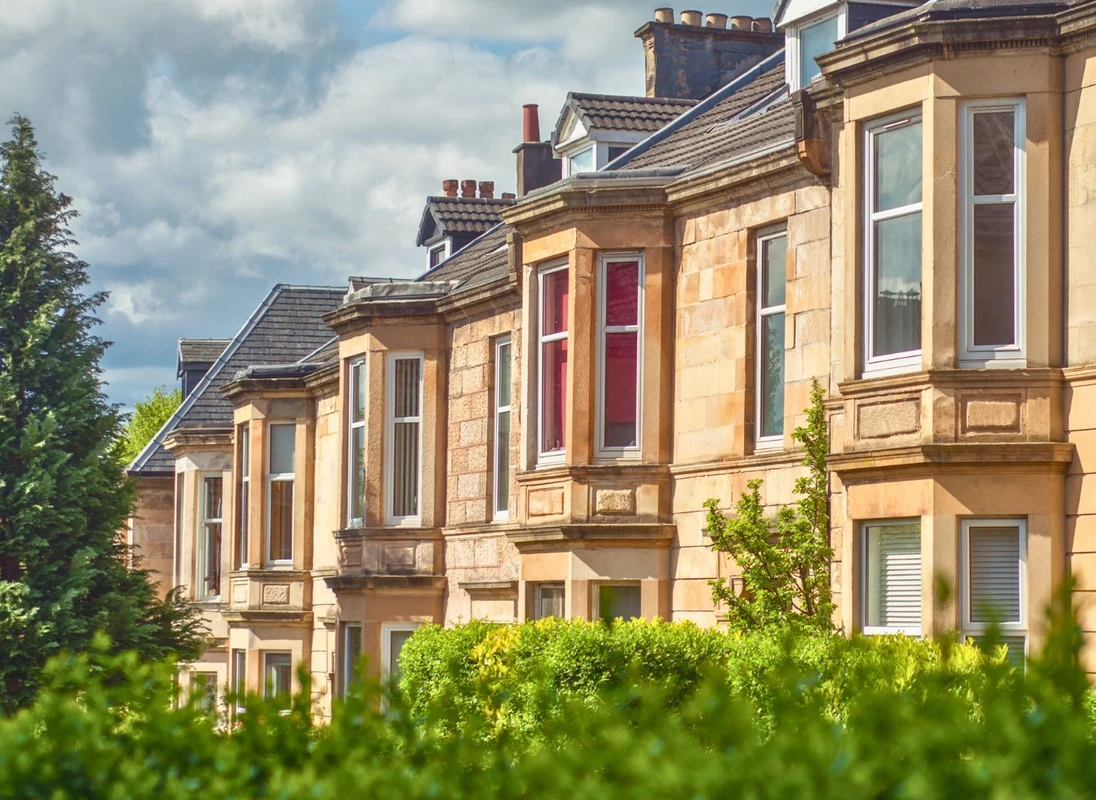

Looking after a property properly is rarely about one big repair. More often, it comes down to dealing with smaller issues before they become expensive, disruptive problems, which is why many homeowners turn to trusted property maintenance in Glasgow when they want practical support that keeps their home in good shape throughout the year. From minor wear and tear to more noticeable external damage, regular upkeep helps protect both the condition of the building and the comfort of the people living in it.
In a city like Glasgow, homes deal with a lot. Persistent rain, cold winters, damp air and general urban wear can all take their toll on roofs, walls, paintwork, gutters and outdoor surfaces. A house might look broadly fine from the street, but that does not always reflect what is going on around the edges. Small cracks, blocked drainage, flaking paint or loose fittings can gradually lead to bigger concerns if they are left alone for too long.
Small Problems Rarely Stay Small
One of the biggest mistakes homeowners make is assuming a minor issue can wait indefinitely. A loose tile, a patch of damaged render or early signs of damp may not seem urgent at first, but these kinds of problems often develop quietly in the background. By the time they are impossible to ignore, the work involved is usually larger and more expensive than it would have been earlier.
This is especially true in older properties, which are common across many parts of Glasgow. Traditional tenements, sandstone homes and ageing terraces all have their own character, but they also need sensible care. Weather exposure, changing temperatures and general ageing can weaken surfaces and fittings over time. Regular upkeep makes it easier to catch those signs early and keep the property functioning as it should.
Glasgow’s Weather Makes Maintenance More Important
A lot of homes across the UK deal with damp conditions, but Glasgow has a climate that can be particularly unforgiving. Rainfall, cold snaps and long periods of grey, wet weather create the sort of conditions where neglected issues tend to worsen more quickly. Water can get into weak spots, external surfaces can deteriorate, and gutters or rooflines can struggle if they are not checked and maintained.
That does not mean every home is constantly at risk, but it does mean prevention matters. Keeping on top of maintenance helps reduce the chances of bad weather exposing a weak point at the worst possible time. It is often much easier to arrange routine work in fair conditions than it is to deal with emergency repairs after heavy rain or storm damage.
Appearance and Condition Often Go Hand in Hand
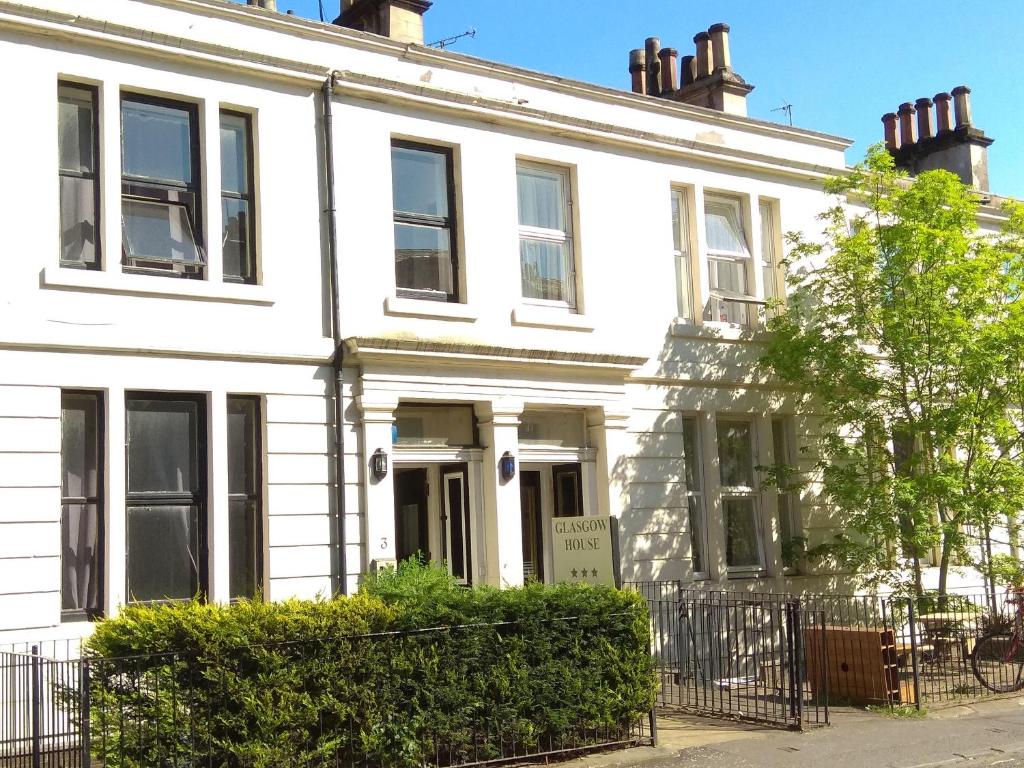
Maintenance is not only about avoiding structural issues. It also plays a major part in how a property looks and feels. Peeling paint, stained walls, worn exterior surfaces and untidy rooflines can make a home seem neglected even if the interior is well cared for. When the outside of a property is looked after, it lifts the overall impression and helps the building feel more secure and properly managed.
This can matter for many reasons. Some homeowners simply want to take pride in where they live. Others may be thinking about tenants, visitors or future buyers. A well-maintained home tends to create more confidence because it suggests that problems are being dealt with rather than ignored. In that sense, upkeep supports both visual appeal and practical value.
Regular Attention Helps Spread Costs More Sensibly
Another advantage of ongoing maintenance is that it helps homeowners manage costs in a more controlled way. Large, unexpected repair bills are difficult for most people to absorb, especially when they arrive out of nowhere. Dealing with issues gradually and sensibly often works out better than waiting for several problems to build up at once.
There is also less disruption when work is tackled in stages. Instead of facing major repairs that affect daily life, homeowners can deal with necessary upkeep as part of a more manageable routine. That approach tends to be less stressful and more efficient, particularly for busy households that do not want avoidable problems hanging over them.
A Better Home Starts with Consistent Care
Regular upkeep is one of the simplest ways to protect a property over the long term. It helps prevent minor issues from turning into major ones, supports the appearance of the home and reduces the likelihood of costly surprises later on. In a place like Glasgow, where weather and age can both put pressure on buildings, that kind of consistency matters.
Homes stay in better condition when they are looked after steadily rather than reactively. Sensible maintenance is not about overthinking every mark or crack. It is about giving the property the level of attention it needs to stay safe, sound and presentable year after year.
Comments are closed.