
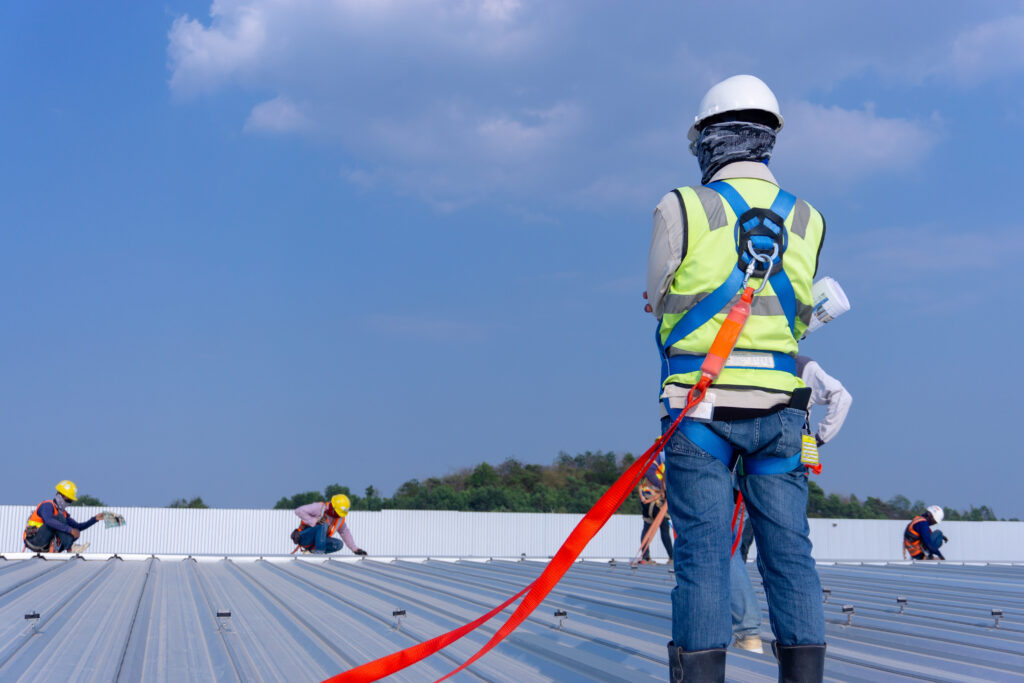

Managing a commercial property involves a never-ending list of maintenance tasks. While it’s easy to focus on issues at eye level, the roof overhead often gets forgotten until a leak appears. For business owners and facility managers in Australia, ignoring the roof is a risky strategy. The harsh Australian climate, with its intense UV radiation, sudden storms, and fluctuating temperatures, puts immense stress on roofing materials. Regular inspections are the only way to catch minor problems before they escalate into major financial headaches.
A proactive approach to roof maintenance does more than just stop water from getting in. It extends the life of the entire structure. When inspectors assess a roof, they look for early signs of wear such as cracking membranes, rusted flashing, or blocked drainage systems. Identifying these issues early can delay the need for a full replacement by years. In some cases, spotting specific damage early might mean you simply need targeted repairs or perhaps industrial roof restoration Perth based specialists might recommend, rather than a complete overhaul.
Safety is another significant factor driving the need for routine checks. A compromised roof poses a danger to everyone in the building. Loose materials can become hazards during high winds, and structural weaknesses could lead to collapse under heavy rain or hail. In Australia, where workplace health and safety regulations are strict, ensuring the structural integrity of a commercial building is a legal necessity. Regular reports from qualified inspectors provide a paper trail of due diligence, which is vital for insurance purposes and liability protection.
Financial predictability is perhaps the most compelling reason for regular inspections. Unexpected roof repairs are notoriously expensive and disruptive. Imagine having to shut down operations for a week because a severe leak damaged sensitive equipment or inventory. By scheduling inspections twice a year, typically in autumn and spring, you can budget for necessary repairs. This turns a potential emergency expense into a manageable operational cost.
Energy efficiency also plays a role in the health of your roof. Defects in the roofing system often lead to poor insulation performance. If heat is escaping in winter or entering too easily in summer, the HVAC system has to work harder, driving up energy bills. Inspectors can identify areas where insulation is wet or damaged, allowing you to restore the building’s thermal efficiency. In a climate where cooling costs are significant, an efficient roof is a money-saver.
Finally, most roofing warranties require regular inspections to remain valid. Manufacturers know that lack of maintenance is the primary cause of premature failure, so they often include clauses stating that the warranty is void if the owner cannot prove the roof was inspected and maintained.
Taking care of a commercial roof is not about reacting to disasters; it is about preventing them. Through consistent, professional assessments, property owners can ensure their buildings remain safe, efficient, and operational for the long term.
Comments are closed.