
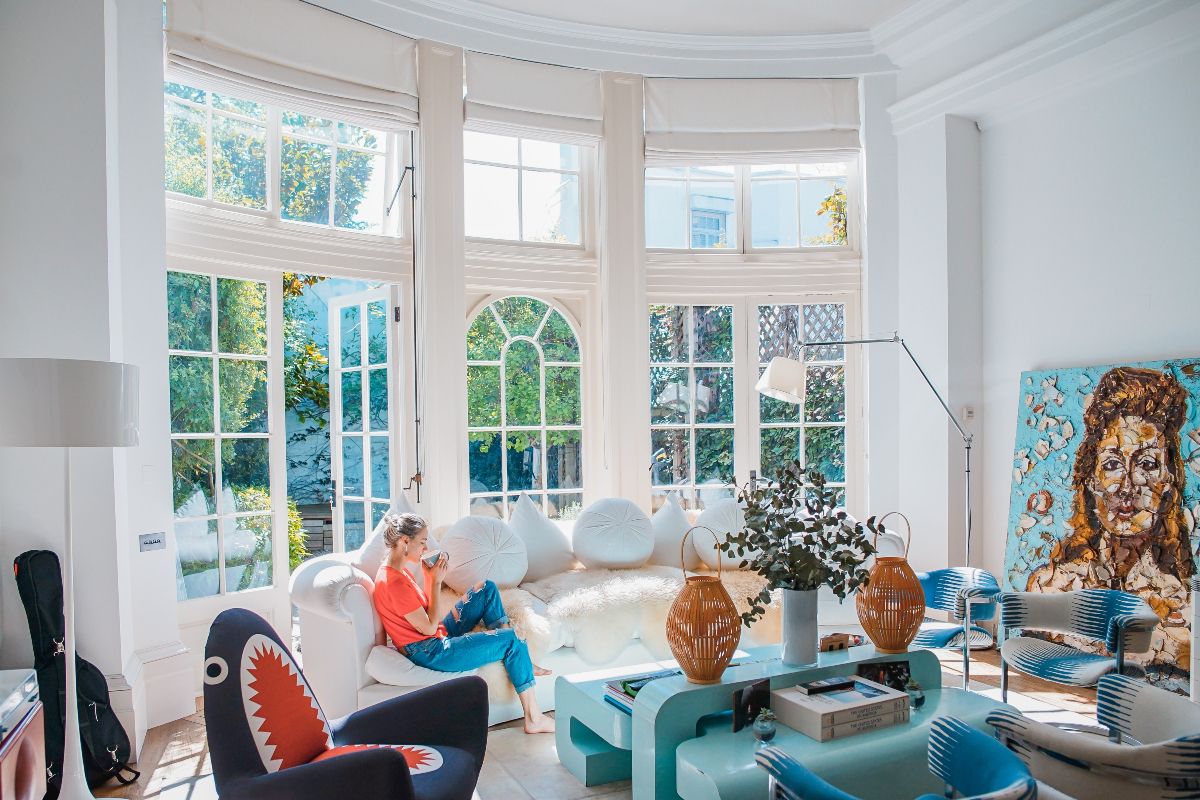

Interior design is more than arranging furniture or choosing paint colors. It is a visual language that communicates personality, lifestyle, values, and aspirations. Every decision, from lighting placement to fabric texture, reveals something about the people who inhabit a space. When thoughtfully curated, interiors become a living expression of identity rather than a collection of decorative objects.
Understanding how design reflects personal style helps homeowners create spaces that feel authentic, comfortable, and meaningful.
The Connection Between Interior Design and Identity
Interior design mirrors how individuals experience the world. Choices in layout, color, material, and decoration are rarely random. They often reflect personality traits, routines, and emotional preferences.
For example:
- A minimalist interior often signals clarity, order, and intentional living
- A layered eclectic home suggests creativity and openness to experiences
- A traditional setting may reflect appreciation for heritage and structure
- A contemporary environment typically indicates adaptability and forward thinking
Spaces become personal narratives shaped through visual expression.
Color Choices Reveal Emotional Preferences
Color plays a powerful psychological role in shaping atmosphere and reflecting personality.
Common interpretations of color selections include:
- Warm tones such as terracotta, mustard, or rust suggest warmth and sociability
- Cool tones like blue and gray reflect calmness and focus
- Neutral palettes indicate balance, clarity, and sophistication
- Bold contrasts demonstrate confidence and expressive individuality
The colors chosen for walls, upholstery, and accessories influence both mood and perception of the space.
Furniture Selection Reflects Lifestyle Priorities
Furniture arrangement reveals how a person interacts with their environment daily. It communicates whether comfort, aesthetics, functionality, or social engagement matters most.
Consider how furniture choices reflect personal living patterns:
- Large sectional seating suggests a preference for gathering and connection
- Compact modular furniture indicates adaptability and efficiency
- Vintage pieces often represent nostalgia or appreciation for craftsmanship
- Sculptural statement furniture highlights artistic sensibilities
Furniture becomes a functional portrait of everyday habits.
Decorative Elements Express Personal Narratives
Accessories and decorative objects transform interiors into storytelling environments. They communicate memories, values, achievements, and inspirations.
Examples include:
- Travel souvenirs reflecting curiosity about the world
- Family photographs representing emotional connections
- Handmade crafts expressing appreciation for authenticity
- Art collections demonstrating aesthetic taste
Decor adds depth and individuality that cannot be replicated through standard design templates.
Spatial Layout Shows Personality Structure
The organization of a home often mirrors how a person thinks and lives.
Structured layouts with defined zones typically indicate:
- discipline
- clarity of routine
- preference for predictability
Open layouts with fluid transitions suggest:
- flexibility
- creativity
- comfort with change
The arrangement of circulation paths and functional areas subtly communicates behavioral patterns.
Material Choices Reveal Sensory Preferences
Material selection shapes how a space feels physically and emotionally. Texture plays an important role in creating connection with surroundings.
Common material interpretations include:
- Wood surfaces suggest warmth and grounding
- Glass and metal finishes communicate modernity and precision
- Stone textures express permanence and strength
- Natural fabrics indicate comfort and sustainability awareness
Material combinations help create atmospheres aligned with personal values.
Lighting Reflects Mood and Lifestyle Rhythm
Lighting design influences how interiors are experienced throughout the day.
Different lighting approaches reflect different personalities:
- Soft layered lighting suggests comfort-oriented living
- Bright task lighting indicates productivity and structure
- Accent lighting highlights artistic appreciation
- Natural daylight emphasis reflects wellness-focused habits
Lighting quietly shapes both emotional tone and spatial identity.
Cultural Influences Shape Interior Expression
Interior spaces often reflect cultural background and regional identity. Traditions, rituals, and inherited aesthetics influence layout decisions and decorative preferences.
Cultural expression may appear through:
- handcrafted textiles
- regional color palettes
- heritage furniture styles
- symbolic decorative motifs
These elements anchor personal style within a broader historical context.
Personal Style Evolves Over Time
Interior design is not static. As individuals grow, travel, learn, and adapt, their interiors evolve as well.
Changes often occur through:
- replacing outdated furniture
- introducing new artwork
- adjusting layouts for lifestyle shifts
- experimenting with color palettes
A home that evolves alongside its occupants remains authentic and emotionally relevant.
Balancing Trends with Authentic Identity
Design trends can inspire creativity, but personal style should remain the foundation of interior decisions.
A balanced approach includes:
- selecting timeless base elements
- incorporating trends through accessories
- prioritizing comfort over appearance
- maintaining visual consistency with personality
Spaces designed around identity remain meaningful long after trends fade.
FAQ Section
How can someone identify their personal interior design style?
Start by observing preferred colors, materials, travel memories, clothing choices, and favorite environments. These patterns often reveal underlying aesthetic preferences that translate naturally into interior design.
Can interior design influence mood and productivity?
Yes. Lighting, color palette, furniture arrangement, and textures directly affect emotional comfort, concentration levels, and relaxation quality.
Is it necessary to follow one specific design style?
No. Many people create hybrid interiors by combining elements from multiple styles to better reflect their personality and lifestyle needs.
How often should interior design be updated?
Minor updates can happen seasonally through accessories, while major design revisions typically occur every few years as lifestyle priorities change.
Does budget limit personal expression in interior design?
Personal style does not depend on expensive items. Thoughtful placement, meaningful decor, and intentional color selection can create expressive interiors at any budget level.
How do textures contribute to personal style?
Textures influence comfort perception and atmosphere. Combining soft fabrics, natural materials, and structured finishes helps create a balanced sensory experience aligned with individual preferences.
Can small spaces still reflect strong personal style?
Yes. Even compact homes can communicate identity through color palettes, multifunctional furniture, curated decor, and strategic lighting choices. Thoughtful design matters more than square footage.
Comments are closed.