
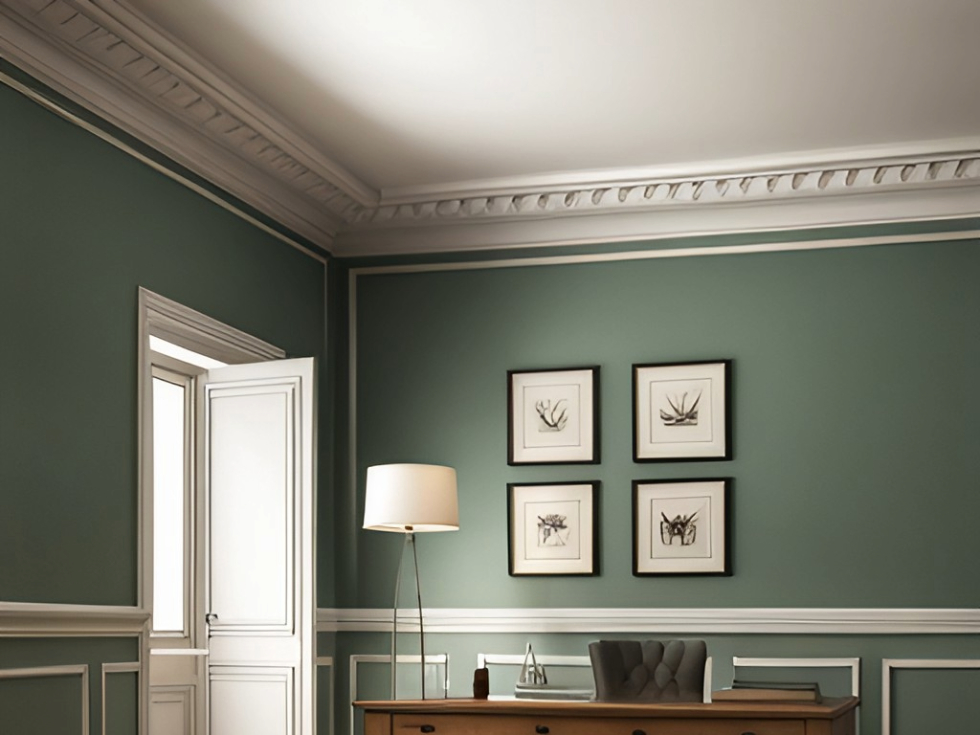

Modern interior design often finds inspiration in combining clean lines with subtle, elegant details. For homeowners and designers in Thailand, creating spaces that feel both contemporary and welcoming is a common goal. Polyurethane moldings offer a versatile solution to achieve this balance, providing architectural interest without complicating the overall aesthetic. These lightweight and durable elements can transform a simple room into a sophisticated space.
The versatility of this material is one of its strongest attributes. It can be formed into countless profiles, from simple, minimalist lines to more intricate patterns that echo traditional Thai motifs. This adaptability makes it an ideal choice for a variety of design schemes. For example, installing a clean, sharp line of polyurethane ceiling moulding (called บัวโพลียูรีเทน in Thai) can define a room’s perimeter, drawing the eye upward and making the space feel taller and more open. This technique is particularly effective in modern condominiums and homes where maximising the sense of space is important.
Unlike traditional materials like wood or plaster, polyurethane is resistant to the challenges of a tropical climate. It does not warp, crack, or rot in humid conditions, ensuring that the finished look remains pristine for years. This durability makes it a practical choice for interiors across the country, from the bustling city of Bangkok to coastal homes. The material also provides a smooth, perfect surface for painting, allowing for seamless integration with any colour palette.
Enhancing Walls and Doorways
Beyond ceilings, polyurethane moldings can add character to walls and doorways. Used as chair rails, they protect walls from scuffs while adding a horizontal element that can ground a room’s design. Picture frame moulding, or panel moulding, can be used to create feature walls, adding texture and dimension. This approach allows for the creation of unique patterns that can reflect personal style or complement existing art and furniture.
In Thai design, where attention to detail is valued, these elements can elevate a space from ordinary to exceptional. Simple frames around doorways or windows can provide a polished finish, connecting different areas of the home with a consistent design language. The light weight of polyurethane makes installation straightforward, even for complex designs on large wall surfaces.
A Modern Approach to Classic Details
Polyurethane moldings allow for the reinterpretation of classic architectural features in a modern context. Elements like cornices, which have a long history in decorative arts, can be simplified to suit contemporary tastes. Instead of heavy, ornate designs, one might choose a sleek, understated profile that adds a touch of elegance without overwhelming the room.
This material gives designers the freedom to blend traditional influences with minimalist principles. A home might feature clean, open living spaces accented by subtle moulding details that add warmth and sophistication. The result is an interior that feels both current and timeless, a comfortable and stylish sanctuary that reflects the best of modern design thinking.
Comments are closed.