
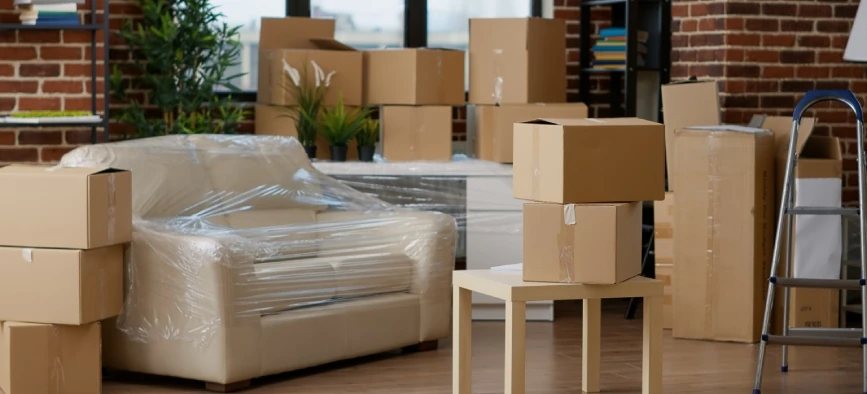

Packing for a move can feel overwhelming for busy families juggling work, school schedules, and daily responsibilities. Without a clear plan, packing often turns into last-minute chaos. The good news is that with smart strategies and realistic planning, packing doesn’t have to take over your life.
This guide focuses on practical, family-friendly packing strategies designed to reduce stress and save time while keeping everyone involved.
Start Early With a Simple Packing Plan
Early preparation is the foundation of a smooth move.
Create a Family Packing Timeline
- Break packing into small, manageable tasks
- Assign rooms or categories to specific days
- Schedule packing around school and work commitments
- Leave essentials for the final days
Starting early avoids rushed decisions and prevents burnout.
Declutter Before You Pack
Packing items you no longer need wastes time, money, and energy.
Decluttering Tips for Families
- Sort items into keep, donate, sell, or discard
- Involve kids by letting them choose toys to donate
- Clear out closets, garages, and storage spaces first
- Avoid moving items you haven’t used in the past year
Less clutter means fewer boxes and faster unpacking.
Use a Room-by-Room Packing Approach
Packing one room at a time keeps things organized and easier to manage.
Benefits of Room-Based Packing
- Reduces confusion during unpacking
- Makes labeling more effective
- Helps track progress visually
- Prevents mixing items from different rooms
Finish one room completely before moving on to the next.
Keep Kids Involved Without Overwhelming Them
Children can help pack when tasks are age-appropriate.
Kid-Friendly Packing Ideas
- Let kids pack their own toys and books
- Turn packing into a game with timers or rewards
- Use color-coded labels for kids’ rooms
- Keep comfort items accessible until moving day
Involving kids helps them feel included and reduces anxiety about the move.
Pack Essentials Separately
Busy families need quick access to daily necessities.
Create an Essentials Box
- Toiletries and medications
- Chargers and basic electronics
- Snacks, water bottles, and paper towels
- Change of clothes for each family member
- Important documents
Keep this box with you rather than loading it onto the moving truck.
Use Smart Labeling Systems
Clear labeling saves hours during unpacking.
Labeling That Works
- Write room name and contents on every box
- Use color-coded stickers for each room
- Mark boxes as Fragile or Open First
- Number boxes and keep a simple inventory list
This makes it easier for movers and family members to know where everything belongs.
Choose the Right Packing Supplies
Quality supplies reduce damage and save repacking time.
Must-Have Packing Materials
- Sturdy moving boxes in multiple sizes
- Packing paper and bubble wrap
- Stretch wrap for furniture and drawers
- Zip-top bags for small parts and hardware
- Permanent markers and labels
Avoid overloading boxes to keep them safe and easy to lift.
Make Use of Dead Time
Busy families often underestimate how much packing can be done in short bursts.
Time-Saving Packing Moments
- Pack during kids’ nap times
- Use evenings for one small packing task
- Pack seasonal or rarely used items first
- Set a 30-minute daily packing goal
Consistent small efforts add up quickly.
Protect Your Energy and Reduce Burnout
Packing is physical and mental work.
Self-Care During Packing
- Take regular breaks
- Stay hydrated and eat well
- Ask for help from friends or family
- Consider professional packing for high-stress areas
A calmer mindset leads to better decisions and fewer mistakes.
Load and Stage Boxes Strategically
Organized staging keeps moving day under control.
Smart Staging Tips
- Group boxes by room
- Keep heavy boxes on the bottom
- Set aside fragile items for special handling
- Clearly identify priority boxes
This helps movers work efficiently and prevents last-minute confusion.
FAQs About Stress-Free Packing for Busy Families
How far in advance should a busy family start packing?
Ideally, families should begin packing 4–6 weeks before moving day, starting with non-essential items.
What rooms should be packed first?
Start with storage areas like garages, basements, and guest rooms that aren’t used daily.
How can I pack efficiently with a full-time job?
Focus on short daily packing sessions and tackle one category or room at a time.
Should families hire professional packers?
Professional packing can be helpful for tight timelines, large homes, or fragile items.
How do I keep kids calm during the packing process?
Maintain routines, explain the move positively, and keep favorite items accessible.
What’s the best way to avoid losing important items?
Use a dedicated essentials box and keep documents and valuables with you.
How do I stay organized during unpacking?
Label boxes clearly, unpack room by room, and start with essentials first.
Packing doesn’t have to disrupt your family’s routine. With realistic planning, shared responsibility, and smart organization, busy families can pack efficiently and move forward with confidence and far less stress.
Comments are closed.