
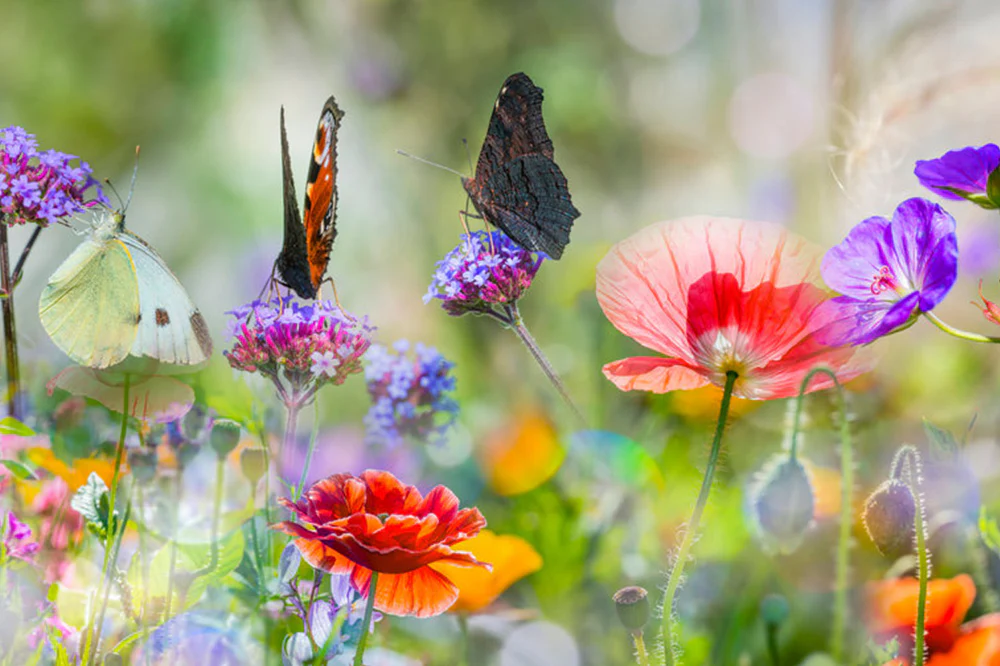

Pollinators play a vital role in maintaining healthy ecosystems and improving garden productivity. Bees, butterflies, birds, moths, beetles, and other beneficial insects help plants reproduce by transferring pollen between flowers. By designing a garden that welcomes pollinators, you support biodiversity while encouraging stronger blooms, better fruit yields, and a thriving outdoor space.
This guide explains practical, research-backed ways to make your garden attractive to pollinators throughout the growing season.
Why Pollinators Are Essential for Gardens
Pollinators are responsible for fertilizing many flowering plants and crops. Without them, plant diversity declines and harvests suffer.
Key benefits of pollinators include:
- Improved fruit and vegetable yields
- Healthier flowering plants
- Increased biodiversity
- Balanced garden ecosystems
- Reduced reliance on manual pollination
Encouraging pollinators helps create a self-sustaining garden environment that requires fewer external inputs.
Choose Native Flowering Plants
Native plants are the most effective way to attract pollinators because local species have evolved alongside them. These plants provide familiar nectar, pollen, and shelter.
Examples of pollinator-friendly plants commonly suited to many regions include:
- Marigolds
- Sunflowers
- Cosmos
- Lavender
- Basil
- Zinnias
- Hibiscus
Planting a mix of native flowers ensures continuous attraction throughout the season.
Provide Blooming Flowers Year-Round
Pollinators need food across multiple seasons, not just during peak flowering months. A garden that offers staggered blooming cycles keeps pollinators returning regularly.
Plan your planting schedule to include:
- Early bloomers for spring nutrition
- Mid-season flowering plants for summer activity
- Late bloomers that support pollinators in autumn
This continuous nectar supply strengthens pollinator populations over time.
Use a Variety of Flower Shapes and Colors
Different pollinators prefer different flower structures.
For example:
- Bees prefer open and shallow flowers
- Butterflies favor clustered nectar-rich blooms
- Birds often choose tubular flowers
- Moths are attracted to pale, fragrant evening flowers
A diverse planting strategy ensures that multiple pollinator species visit your garden.
Avoid Chemical Pesticides
Chemical pesticides can harm beneficial insects along with pests. Even low doses may disrupt pollinator behavior and reproduction.
Safer alternatives include:
- Neem-based solutions
- Manual pest removal
- Companion planting
- Introducing beneficial insects
Reducing chemical use creates a safer habitat for pollinators.
Provide Fresh Water Sources
Pollinators need access to clean water for hydration and cooling.
Simple water features you can add:
- Shallow dishes with stones
- Bird baths
- Drip irrigation spots
- Small puddling areas
Always include landing surfaces like pebbles to prevent insects from drowning.
Create Shelter and Nesting Spaces
Pollinators require safe resting and breeding environments.
Helpful shelter ideas include:
- Leaving small patches of undisturbed soil
- Adding log piles or dry branches
- Installing bee houses
- Growing dense shrubs
Avoid over-cleaning garden corners, as natural debris often supports nesting.
Plant in Clusters Instead of Single Rows
Grouping the same plant species together helps pollinators locate nectar efficiently. Large patches of color act as visual signals that attract insects from a distance.
Cluster planting increases:
- Flower visibility
- Nectar availability
- Pollinator visitation frequency
This method improves pollination success across your garden.
Include Night-Blooming Plants
Not all pollinators are active during daylight hours. Night pollinators such as moths contribute significantly to plant reproduction.
Suitable night-blooming plants include:
- Evening primrose
- Night jasmine
- Moonflower
Adding these plants expands pollinator activity into evening hours.
Reduce Lawn Area and Increase Flower Beds
Large lawn spaces offer little nutritional value to pollinators. Replacing portions of lawn with flowering plants creates a more productive habitat.
Consider converting unused lawn sections into:
- Wildflower patches
- Herb gardens
- Native plant borders
- Mixed flowering beds
This simple change dramatically improves pollinator presence.
Grow Herbs That Pollinators Love
Herbs are among the easiest pollinator-friendly plants to grow.
Popular choices include:
- Basil
- Mint
- Coriander
- Thyme
- Oregano
Allow herbs to flower instead of harvesting them early to maximize pollinator attraction.
Maintain a Chemical-Free Compost Area
Compost supports soil health and encourages beneficial organisms that contribute indirectly to pollination success.
Benefits include:
- Improved soil fertility
- Stronger flowering plants
- Increased microbial diversity
- Better moisture retention
Healthy soil produces healthier nectar-rich plants.
Frequently Asked Questions
What time of day are pollinators most active?
Most pollinators such as bees and butterflies are active during warm daylight hours, especially mid-morning to early afternoon. Moths and some beetles are active after sunset.
How large should a pollinator garden be?
Even a small balcony garden or a few containers can attract pollinators. The key factor is plant diversity rather than garden size.
Do pollinators prefer organic gardens?
Gardens with fewer chemicals are generally more attractive because they provide safer feeding and nesting environments.
Can vegetables attract pollinators?
Yes. Flowering vegetables such as tomatoes, cucumbers, pumpkins, and beans naturally attract pollinators when allowed to bloom.
How long does it take to attract pollinators after planting?
Pollinators may begin visiting within days once flowers bloom, though a stable population usually develops over one growing season.
Are water features necessary for pollinators?
While not mandatory, shallow water sources significantly improve pollinator survival and visitation frequency.
Can pollinator gardens help improve crop yield?
Yes. Increased pollinator activity often results in better fruit formation, improved seed production, and higher overall harvest quality.
Comments are closed.