
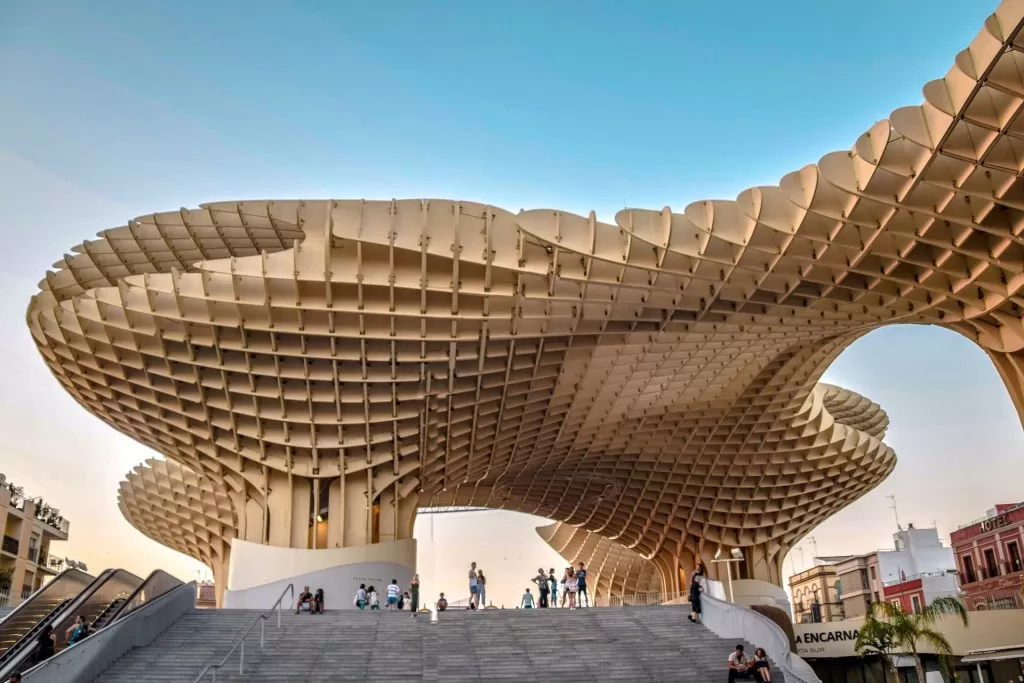

Parametric design has reshaped the way architects imagine, test, and construct buildings in the 21st century. Instead of relying solely on fixed drawings and static geometry, designers now use algorithm-driven relationships between elements to generate adaptable, responsive, and performance-oriented architectural forms. This shift has enabled the creation of structures that are not only visually distinctive but also environmentally efficient and structurally optimized.
What Is Parametric Design
Parametric design refers to a computational approach where parameters and rules define relationships between design elements. When one parameter changes, related components automatically adjust accordingly.
Instead of manually redrawing forms, architects manipulate variables such as:
- geometry
- material behavior
- environmental performance
- structural forces
- spatial relationships
This allows rapid iteration and exploration of multiple design outcomes before construction begins.
Key Characteristics of Parametric Design
Parametric architecture is typically recognized by several defining features:
- Algorithm-based geometry generation
- Flexible and adaptive form development
- Integration with performance simulations
- Complex yet controlled surface articulation
- Data-driven decision-making processes
These characteristics enable designers to move beyond conventional rectangular planning systems.
Evolution of Parametric Thinking in Architecture
Although computational tools accelerated parametric methods, the conceptual roots existed earlier in architectural experimentation with modular systems and rule-based geometry.
The transformation occurred alongside advances in:
- digital modeling software
- scripting platforms
- structural simulation tools
- fabrication technologies
Today, parametric workflows are commonly supported by platforms such as Grasshopper, Rhino, Dynamo, and other computational design environments.
Role of Algorithms in Parametric Architecture
Algorithms act as the underlying logic that controls relationships between components. Rather than designing a final shape directly, architects define rules governing geometry behavior.
For example:
- changing sunlight exposure values modifies façade openings
- adjusting structural loads alters beam thickness
- modifying circulation flow reshapes spatial layout
This relationship-driven process results in adaptable architecture that responds to both environmental and functional needs.
Applications in Contemporary Architectural Practice
Parametric design is no longer limited to experimental projects. It is widely applied across building typologies.
Façade Optimization
Responsive façade systems adapt to environmental conditions such as sunlight intensity and temperature. These dynamic envelopes improve comfort while reducing energy consumption.
Example applications include:
- shading systems
- daylight modulation panels
- climate-responsive skins
Structural Efficiency
Parametric modeling allows architects and engineers to analyze load distribution early in the design process. This leads to lighter structures with improved performance.
Benefits include:
- reduced material usage
- optimized geometry
- improved seismic resistance
- enhanced span capability
Urban Planning Strategies
At the urban scale, parametric tools simulate:
- pedestrian movement
- traffic patterns
- solar exposure
- wind flow
This supports better-informed planning decisions in dense metropolitan environments.
Integration with Digital Fabrication Technologies
One of the most transformative aspects of parametric architecture is its compatibility with advanced fabrication methods.
Digital fabrication techniques include:
- CNC milling
- robotic assembly
- laser cutting
- 3D printing
Because parametric models generate precise geometry, fabrication instructions can be directly extracted from design files, reducing construction errors and improving efficiency.
Environmental Performance and Sustainability
Parametric design contributes significantly to sustainable architecture by enabling performance-based optimization.
Architects can simulate:
- daylight penetration
- ventilation patterns
- thermal behavior
- shading performance
- energy consumption
Through iterative simulations, building forms evolve into environmentally responsive systems rather than static objects.
Influence on Architectural Aesthetics
Parametric architecture has introduced a new visual language characterized by fluid geometry and continuous surfaces.
Common aesthetic expressions include:
- curved structural envelopes
- cellular façade systems
- tessellated surfaces
- organic spatial transitions
These forms are not arbitrary stylistic gestures. They often emerge from performance-based logic embedded in computational workflows.
Challenges in Parametric Architectural Design
Despite its advantages, parametric design introduces several practical challenges.
Technical Complexity
Designers must possess computational knowledge alongside architectural expertise. Learning scripting and algorithmic logic requires additional training.
Construction Constraints
Complex geometries may increase fabrication difficulty and cost if not carefully optimized.
Collaboration Requirements
Parametric projects often demand close coordination between:
- architects
- structural engineers
- environmental consultants
- fabrication specialists
Successful implementation depends on interdisciplinary collaboration from early project stages.
Future Directions of Parametric Architecture
Parametric design continues to evolve with emerging technologies such as artificial intelligence and generative optimization tools.
Future developments may include:
- real-time environmental adaptation
- automated structural optimization
- smart responsive building skins
- integration with digital twin technologies
These advancements will likely strengthen the relationship between data, performance, and architectural form.
Conclusion
Parametric design represents a major shift in contemporary architectural thinking. By linking geometry with data-driven relationships, architects can generate responsive, efficient, and innovative structures suited to complex environmental and urban conditions. As computational tools continue advancing, parametric methodologies are expected to remain central to future architectural practice.
Frequently Asked Questions
1. How does parametric design differ from traditional architectural drafting
Traditional drafting produces fixed geometry, whereas parametric design creates rule-based models that automatically update when variables change.
2. Is parametric architecture only used for complex building shapes
No. It is equally valuable for optimizing simple structures through performance analysis and material efficiency improvements.
3. Do architects need programming skills to use parametric tools
Basic scripting knowledge is helpful but many visual programming interfaces allow designers to work without advanced coding experience.
4. Can parametric design reduce construction costs
Yes. When used effectively, it optimizes material usage, improves fabrication accuracy, and reduces design errors.
5. What software platforms are commonly used in parametric architecture
Popular tools include Rhino with Grasshopper, Dynamo, and other computational modeling environments that support rule-based geometry generation.
6. Is parametric architecture suitable for small-scale residential projects
Yes. It can enhance daylight performance, ventilation planning, façade optimization, and spatial efficiency even in modest housing projects.
7. How does parametric design support climate-responsive architecture
It enables designers to simulate environmental conditions and adjust building geometry to improve shading, airflow, and thermal performance before construction begins.
Comments are closed.