
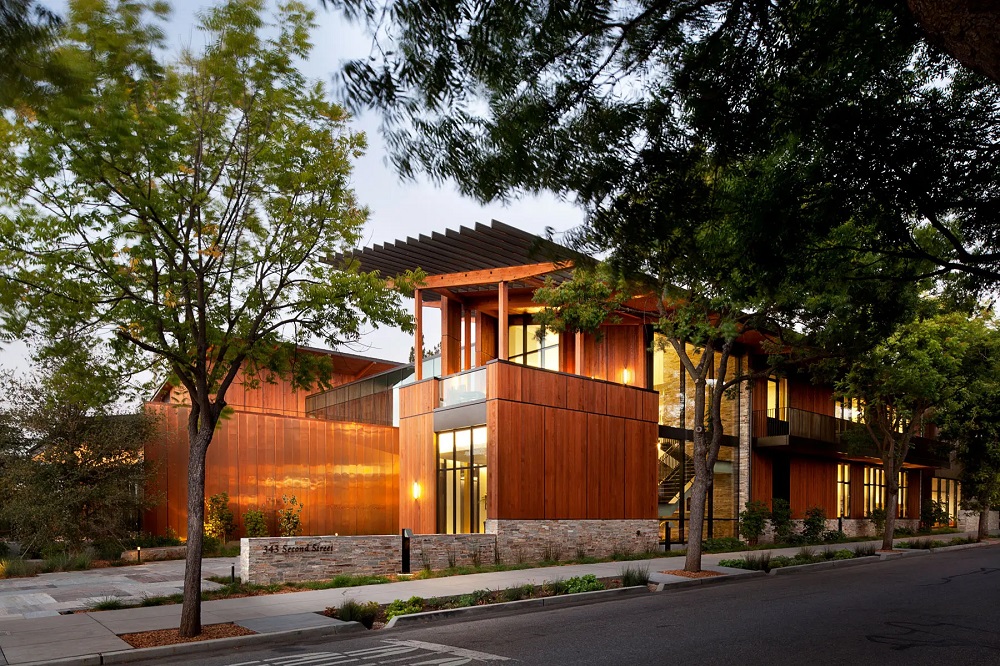

Introduction
Climate-responsive architectural design focuses on shaping buildings that respond intelligently to local environmental conditions. Rather than relying heavily on mechanical heating or cooling systems, this approach uses natural resources such as sunlight, wind movement, thermal mass, and vegetation to create comfortable indoor environments.
By aligning building orientation, material selection, spatial organization, and envelope performance with climate characteristics, architects can reduce energy demand, improve occupant comfort, and support long-term sustainability.
Understanding Climate-Responsive Design
Climate-responsive design integrates architectural decisions with regional climatic conditions. It involves analyzing factors such as:
- Solar radiation
- Temperature variations
- Wind direction and intensity
- Humidity levels
- Rainfall patterns
- Seasonal changes
These parameters influence how buildings absorb heat, lose heat, ventilate naturally, and interact with surrounding landscapes.
The objective is to create buildings that work with nature rather than against it.
Key Principles of Climate-Responsive Architecture
Building Orientation
Building orientation plays a central role in controlling solar gain and daylight penetration.
Strategic orientation helps:
- Maximize winter sunlight exposure
- Reduce summer heat gain
- Improve indoor daylight quality
- Enhance natural ventilation potential
For example, in hot-arid climates, minimizing east and west exposure reduces overheating. In colder climates, maximizing southern exposure increases passive heating benefits.
Passive Solar Design
Passive solar strategies capture and regulate sunlight for heating, lighting, and comfort.
Important passive solar techniques include:
- Proper window placement
- Use of shading devices
- Thermal mass integration
- Solar control glazing
Thermal mass materials such as stone, brick, and concrete absorb heat during the day and release it slowly at night, stabilizing indoor temperatures.
Natural Ventilation Strategies
Natural ventilation improves indoor air quality and reduces dependence on mechanical cooling systems.
Common ventilation strategies include:
- Cross ventilation through opposite openings
- Stack ventilation using vertical airflow differences
- Courtyard ventilation systems
- Wind catchers and ventilation towers
These approaches are particularly effective in warm climates where airflow enhances thermal comfort.
Building Envelope Optimization
The building envelope acts as a barrier between indoor and outdoor environments. A well-designed envelope improves energy efficiency and comfort.
Effective envelope strategies include:
- High-performance insulation
- Double or triple glazing
- Airtight construction methods
- Reflective roofing materials
- External shading systems
Proper envelope design reduces unwanted heat transfer and stabilizes indoor temperatures throughout the year.
Use of Local and Climate-Sensitive Materials
Locally available materials often perform well in regional climatic conditions because they evolved alongside environmental constraints.
Examples include:
- Adobe in hot-dry regions
- Stone in mountainous climates
- Timber in cold regions
- Bamboo in tropical zones
Using local materials reduces transportation emissions while improving climate compatibility.
Shading and Solar Control Systems
Controlling solar exposure prevents overheating and enhances daylight quality.
Effective shading strategies include:
- Horizontal overhangs
- Vertical fins
- Pergolas
- Louvers
- Vegetation-based shading
Proper shading design allows winter sunlight entry while blocking intense summer radiation.
Landscape Integration
Landscape elements significantly influence microclimatic performance around buildings.
Key landscape strategies include:
- Planting deciduous trees for seasonal shading
- Creating windbreaks with vegetation
- Introducing water bodies for evaporative cooling
- Using green roofs and green walls
These strategies improve thermal comfort while enhancing ecological value.
Courtyard-Based Spatial Planning
Courtyards regulate temperature through controlled airflow and shading.
They provide:
- Natural ventilation channels
- Thermal buffering spaces
- Daylight penetration into interiors
- Social interaction zones
Courtyard planning is especially effective in hot-arid and composite climates.
Roof Design Strategies
Roofs receive maximum solar exposure and influence indoor thermal conditions significantly.
Climate-responsive roof strategies include:
- Cool roofs with reflective surfaces
- Green roofs for insulation
- Ventilated roof assemblies
- Sloped roofs in heavy rainfall regions
Proper roof design improves both comfort and energy performance.
Climate-Specific Design Approaches
Hot-Arid Climate Strategies
Recommended approaches include:
- Thick thermal mass walls
- Compact building forms
- Small window openings
- Courtyard integration
- Light-colored exterior finishes
These reduce daytime heat gain and retain cooler indoor conditions.
Warm-Humid Climate Strategies
Effective solutions include:
- Elevated floor structures
- Large shaded openings
- Lightweight construction materials
- Deep verandas
- Maximum cross ventilation
These strategies help remove trapped humidity and maintain airflow.
Cold Climate Strategies
Suitable responses include:
- Compact building geometry
- High insulation levels
- South-facing glazing
- Airtight construction
- Wind protection landscaping
These reduce heat loss and increase solar heat retention.
Composite Climate Strategies
Regions experiencing seasonal variations require flexible solutions such as:
- Adjustable shading devices
- Mixed ventilation approaches
- Seasonal orientation strategies
- Hybrid envelope systems
These adapt buildings to changing environmental conditions throughout the year.
Role of Technology in Climate-Responsive Design
Modern technologies enhance traditional climate-responsive strategies without replacing them.
Examples include:
- Energy simulation software
- Smart glazing systems
- Automated shading devices
- Climate-responsive façade systems
- Building performance monitoring tools
These technologies help architects refine passive strategies with precision.
Benefits of Climate-Responsive Architecture
Climate-responsive architecture offers multiple long-term advantages:
- Reduced operational energy consumption
- Improved indoor thermal comfort
- Lower environmental impact
- Enhanced occupant well-being
- Increased building lifespan
- Reduced dependence on mechanical systems
These benefits contribute to sustainable built environments that respond intelligently to climate realities.
Frequently Asked Questions
What is the difference between passive design and climate-responsive design
Passive design focuses primarily on reducing energy consumption through natural strategies, while climate-responsive design is broader and includes spatial planning, material selection, and environmental integration tailored to specific regional climates.
How does climate-responsive architecture reduce energy consumption
It minimizes reliance on artificial heating, cooling, and lighting by optimizing solar gain, ventilation, shading, and insulation according to local climate conditions.
Can climate-responsive design be applied to urban high-rise buildings
Yes, strategies such as façade shading systems, double-skin envelopes, orientation planning, and natural ventilation shafts can be integrated into tall buildings effectively.
Is climate-responsive architecture expensive to implement
Initial planning may require additional analysis, but operational savings from reduced energy use often offset early costs over time.
How do courtyards improve building performance in hot climates
Courtyards promote airflow circulation, create shaded microclimates, and reduce indoor temperatures through evaporative cooling effects.
What role does vegetation play in climate-responsive buildings
Vegetation moderates temperature, filters air pollutants, reduces heat island effects, and enhances thermal comfort around buildings.
Can traditional architecture inspire modern climate-responsive solutions
Yes, many vernacular design techniques evolved through centuries of climate adaptation and continue to inform contemporary sustainable architecture.
Comments are closed.