
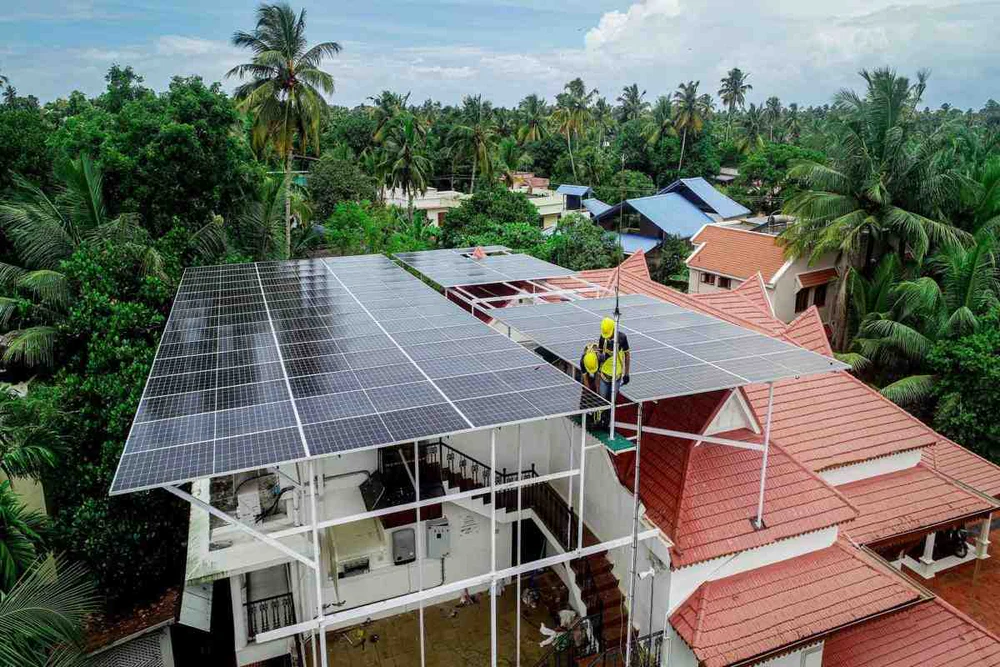

Installing a solar rooftop system is a significant step towards energy independence and lower electricity bills. With Thailand’s abundant sunshine, it’s a practical choice for many homeowners. But with various systems available, selecting the right one can feel complex. This guide will help you understand the essential factors to consider, ensuring you make an informed decision for your home.
Before looking at specific products, you should first assess your energy consumption. Review your electricity bills from the past year to understand your average monthly usage, measured in kilowatt-hours (kWh). This information is fundamental in determining the size of the system you will need. A professional can help with a detailed assessment and discuss the specifics of a solar panel installation at your property.
Another important aspect is evaluating your roof. Is it strong enough to support the weight of solar panels? Does it receive direct sunlight for most of the day, or is it shaded by trees or nearby buildings? The orientation and angle of your roof also affect the efficiency of the panels. In Thailand, a south-facing roof is often ideal for maximising sun exposure throughout the day.
There are three main types of solar rooftop systems to consider. The first is the on-grid system, which is connected to the public electricity grid. This is the most common type in Thailand. Excess energy your system produces can sometimes be sold back to the utility company. It’s a great option for reducing your electricity bills, but it does not provide power during a blackout for safety reasons.
The second type is the off-grid system. This system operates independently of the public grid and requires batteries to store the energy generated. It’s a suitable choice for remote areas where grid connection is unreliable or unavailable. An off-grid setup provides complete energy independence, but the initial cost is higher due to the need for a battery bank and other specialised equipment.
Finally, there is the hybrid system. This combines the features of both on-grid and off-grid systems. It is connected to the public grid but also includes batteries for energy storage. This allows you to have backup power during an outage while still benefiting from a grid connection. A hybrid system offers the best of both worlds: energy security and the ability to reduce reliance on the grid.
Choosing the right solar system depends on your specific needs, budget, and property characteristics. By understanding your energy usage, assessing your roof, and knowing the differences between on-grid, off-grid, and hybrid systems, you can select an option that works best for your home in Thailand.
Comments are closed.